


Introduction
Tooth loss is one of the most common dental issue throughout the world as a reason of poor dental care. The dental health care provided in different regions varies and culturally and geographically and follows some pattern. This pattern of tooth loss may help the practitioners to determining the standard of dental care provided and the most common dental disease affecting people in a particular region. Periodontal disease and caries are the two major and most frequent reasons for tooth loss.
Missing tooth, besides other problems, compromises the facial and dental esthetics which may lead the people to seek dental implants. Dental implant is basically a support system for artificial tooth by attaching a metal post surgically into the jaw bone. This metal post is where the artificial tooth is to be placed.
Normally dental implants are successful however, failures are also possible in some cases. The failure may occur month, year or right after the implant.
Sign of Failure of Dental Implant
The signs that make it obvious that the dental implant has failed usually include:
- Intense swelling
- Trouble in chewing
- Pain
- Intraoral discomfort
- Artificial tooth or implant loosening
- Gum burning
- Gum soreness
- Gum puffiness
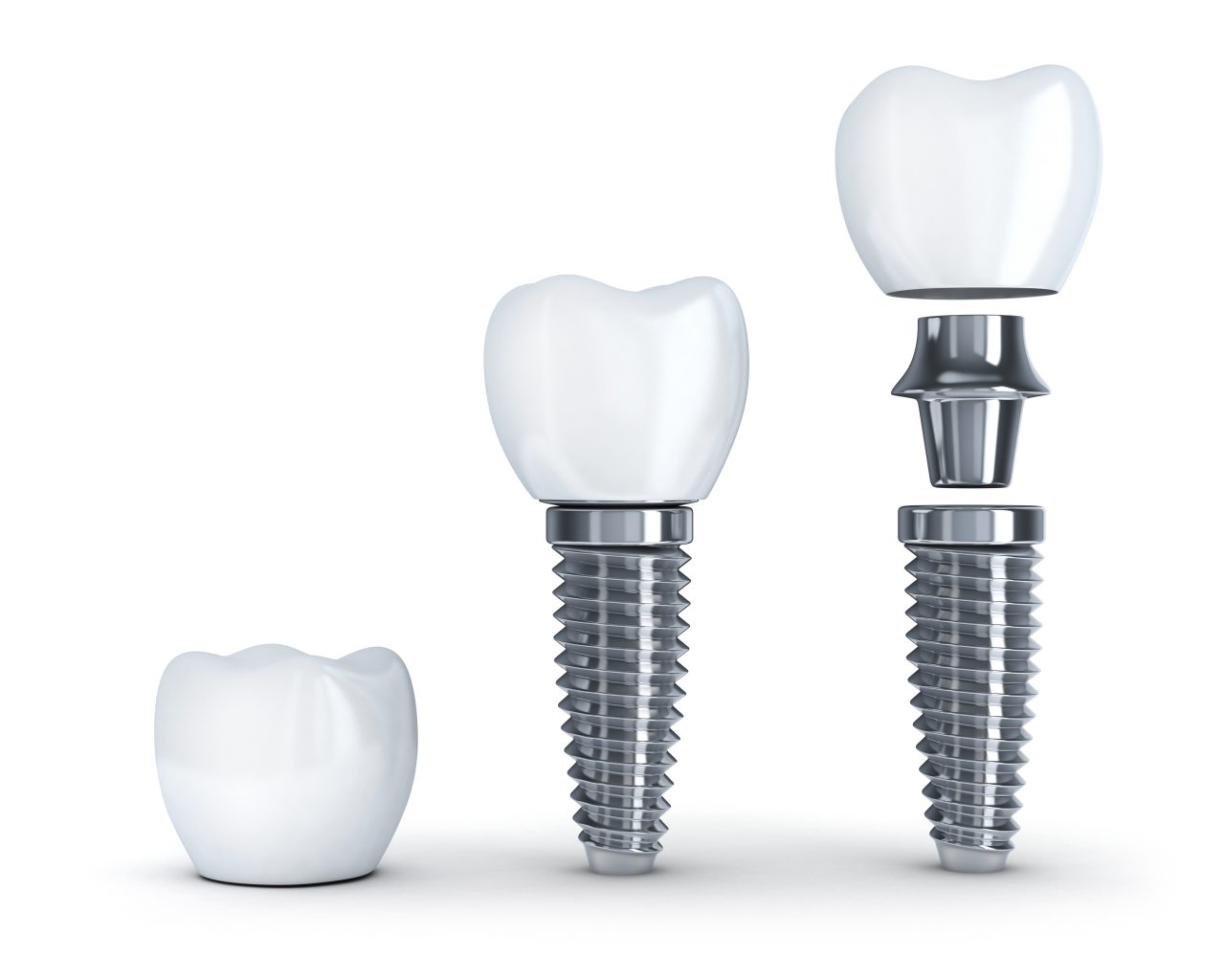
Factors supporting the Dental Implant Failure
Several factors can be the reason of an implant failure, these may include:
1. Smoking
Smoking causes the restriction of blood to flow to the gums which slowdowns the process of healing in implant dental regions. The slow healing may cause the serious failure of dental implant. According to the studies, patients with smoking habits are 20% more likely to end up with implant failure.
Implant specialists recommend their patients to stop smoking at least a week before the implant procedure to minimize the risk of failure.
2. Compromised Dental Care
Patients who cannot maintain a complete oral hygiene are at risk to end up with the implant failure. Proper maintenance of dental cleaning is the key to the success of dental implant.
3. Gum Disease
Patients with active gum disease could not have a dental implant. Healthy gums determine the eligibility of a patient for dental implant. Implant regions are very suitable for the infections caused by the Gum disease to develop around that area.
Implant specialists strictly recommend their patients to see a general dentist to ensure the success of dental implant.
4. Medical History
Medical conditions that slowdown the healing process like arthritis, autoimmune or diabetes can severely affect the success of dental implant. Osseo integration causes the implant to integrate the jaw bone but the delayed healing prevents the process and results into the failure of implant.
Conclusion
The risk rate could possibly be minimized by proper planning, counselling and preventive measures. Patients should consult their dental practitioner and implant specialist before and after the implant.